Research program

Beyond what sperm
look like.

Our central question is simple but consequential: what distinguishes a truly fertile sperm cell from one that merely appears normal?

Explore the program ↓
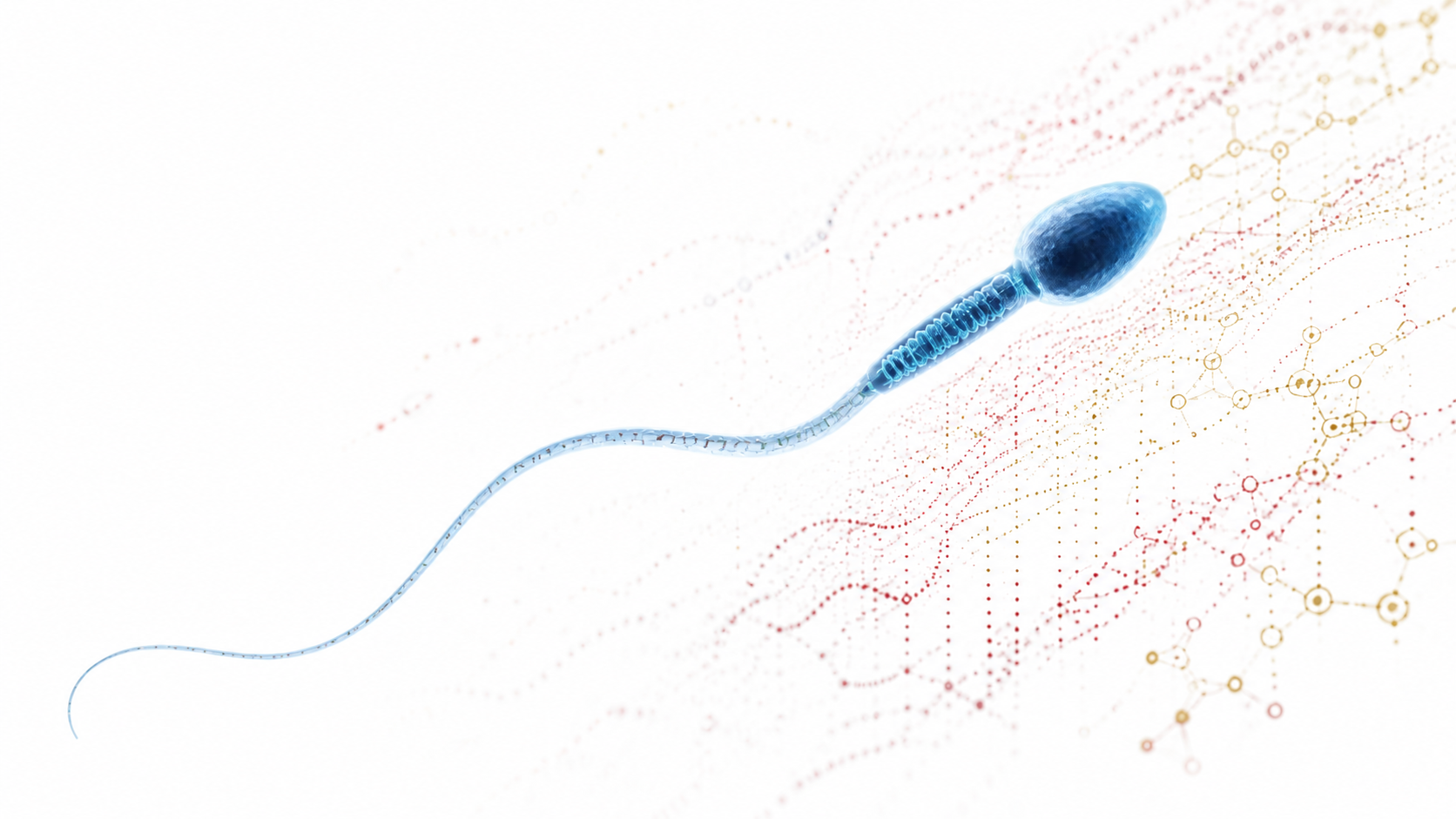
Digital blue sperm surrounded by molecular and data signals

The challenge

Conventional measures miss the biology that matters.

Motility and morphology remain useful, but they do not fully predict fertilization. Functionally distinct sperm subpopulations exist within every ejaculate. The Kerns Lab connects molecular mechanism to precision diagnosis—moving iteratively from basic discovery, to single-cell validation, to tools for livestock reproduction and One Health applications.

01

Zinc signaling & sperm capacitation

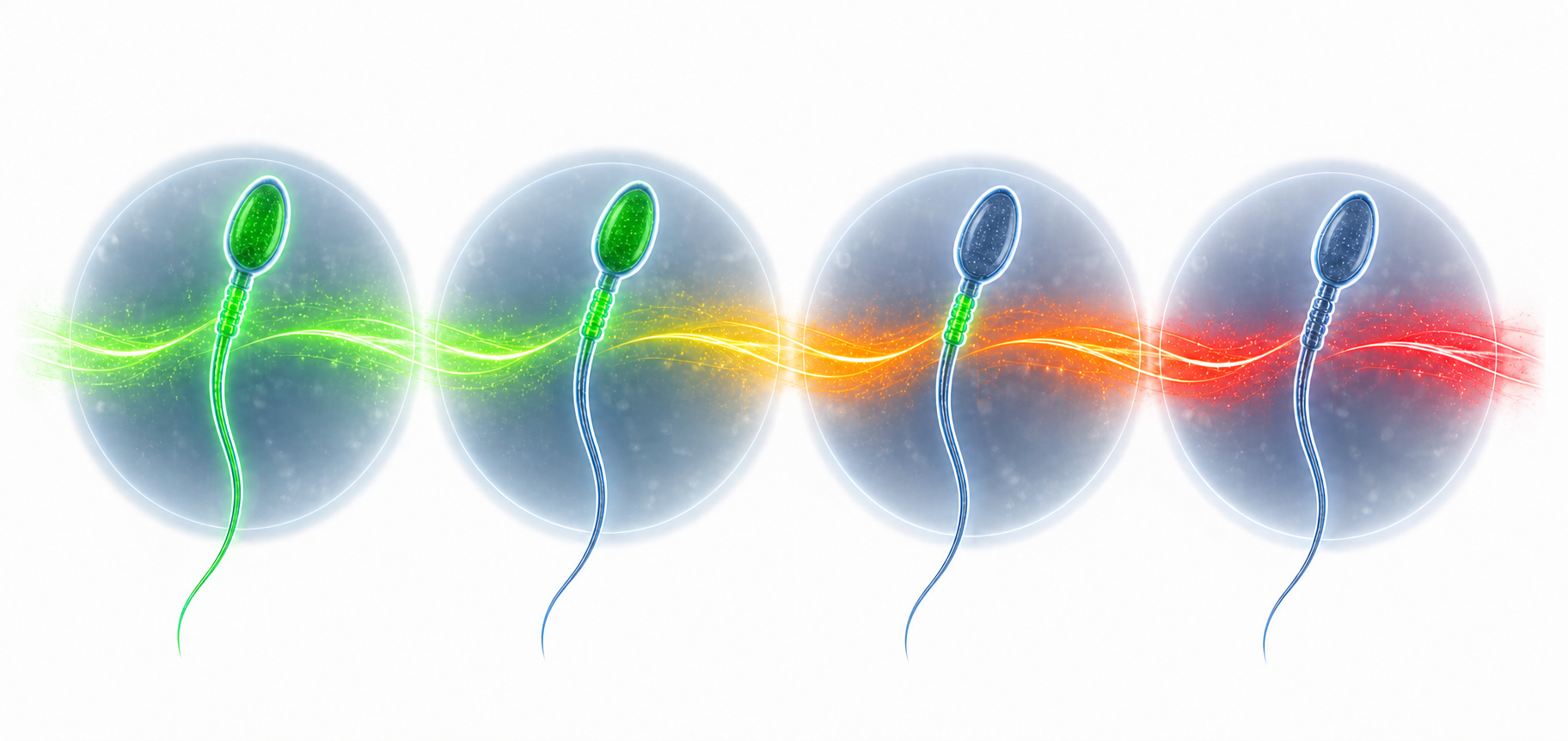
We discovered that zinc ions regulate sperm capacitation—the final maturation process sperm must complete before fertilization. Four zinc signatures track a cell’s progression: whole-cell signal; head plus midpiece; midpiece only; and no detectable zinc.

Foundational Nature Communications study
Four sperm zinc signatures with fluorescent green, orange, and red signal progression
02

Label-free AI diagnostics

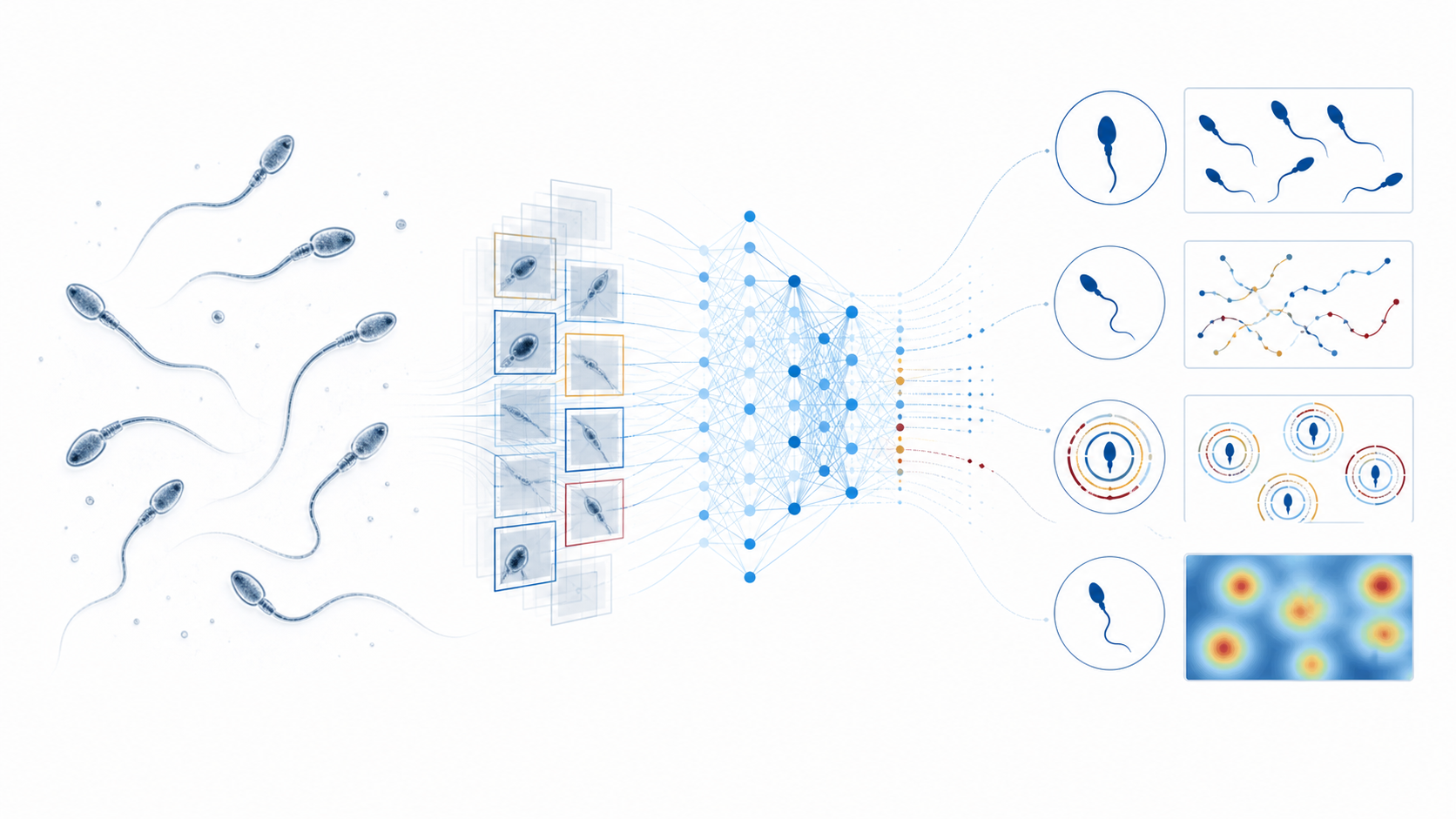
Deep-learning models analyze standard brightfield images to detect morphology, acrosome integrity, viability, and other fertility-relevant traits. The goal is rapid, accessible phenotyping without fluorescent stains or specialized reagents.

Deep-learning morphology study
Label-free sperm images analyzed by an artificial intelligence network
03

Sperm subpopulations & sorting

We isolate functionally distinct sperm subpopulations to understand how sorting alters capacitation, fertilization, and early embryo development—and to develop practical strategies for identifying the cells most likely to succeed.

Sorting and embryo-development study
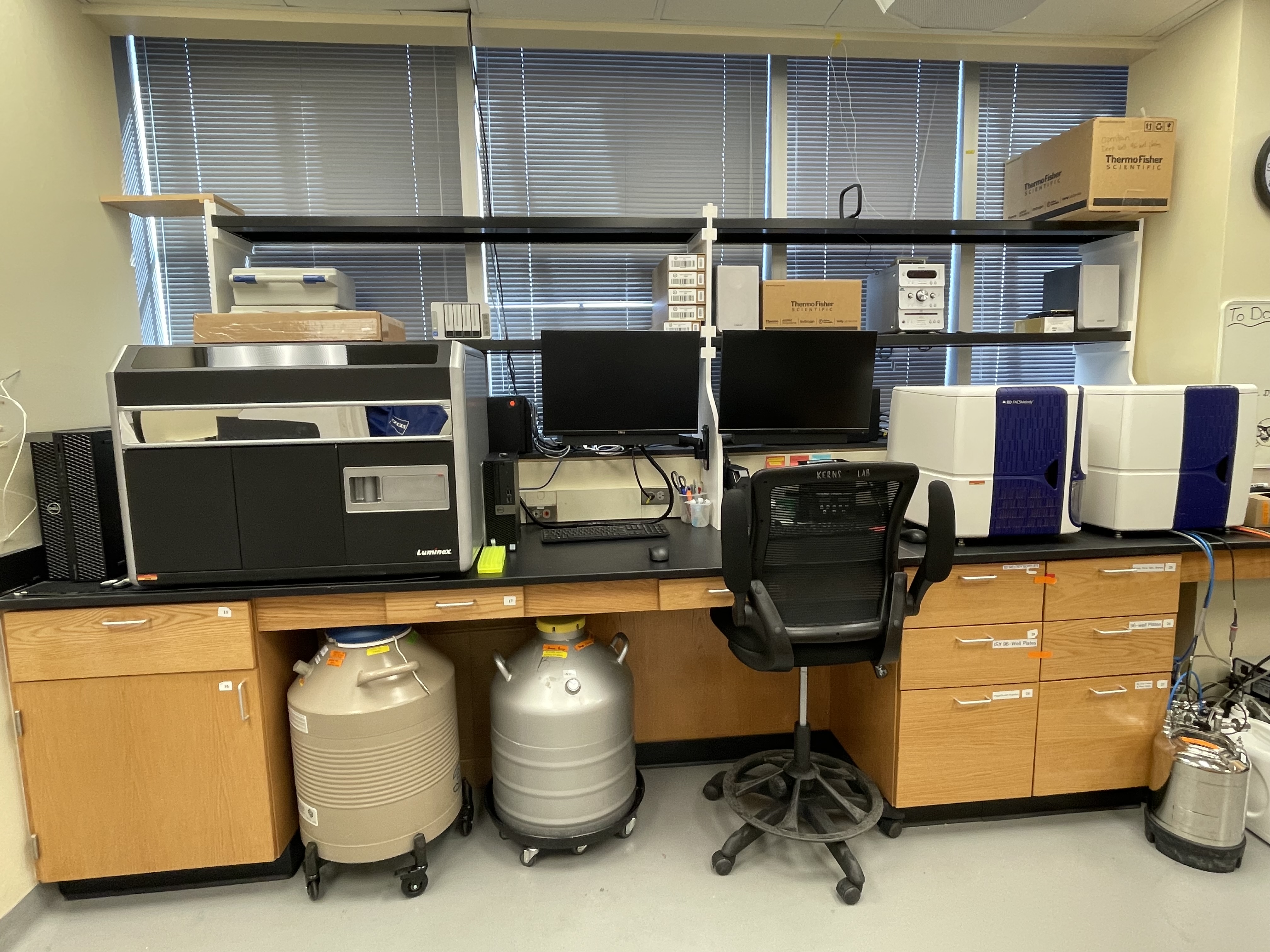
Cell sorting equipment
04

Cryopreservation & sperm resilience

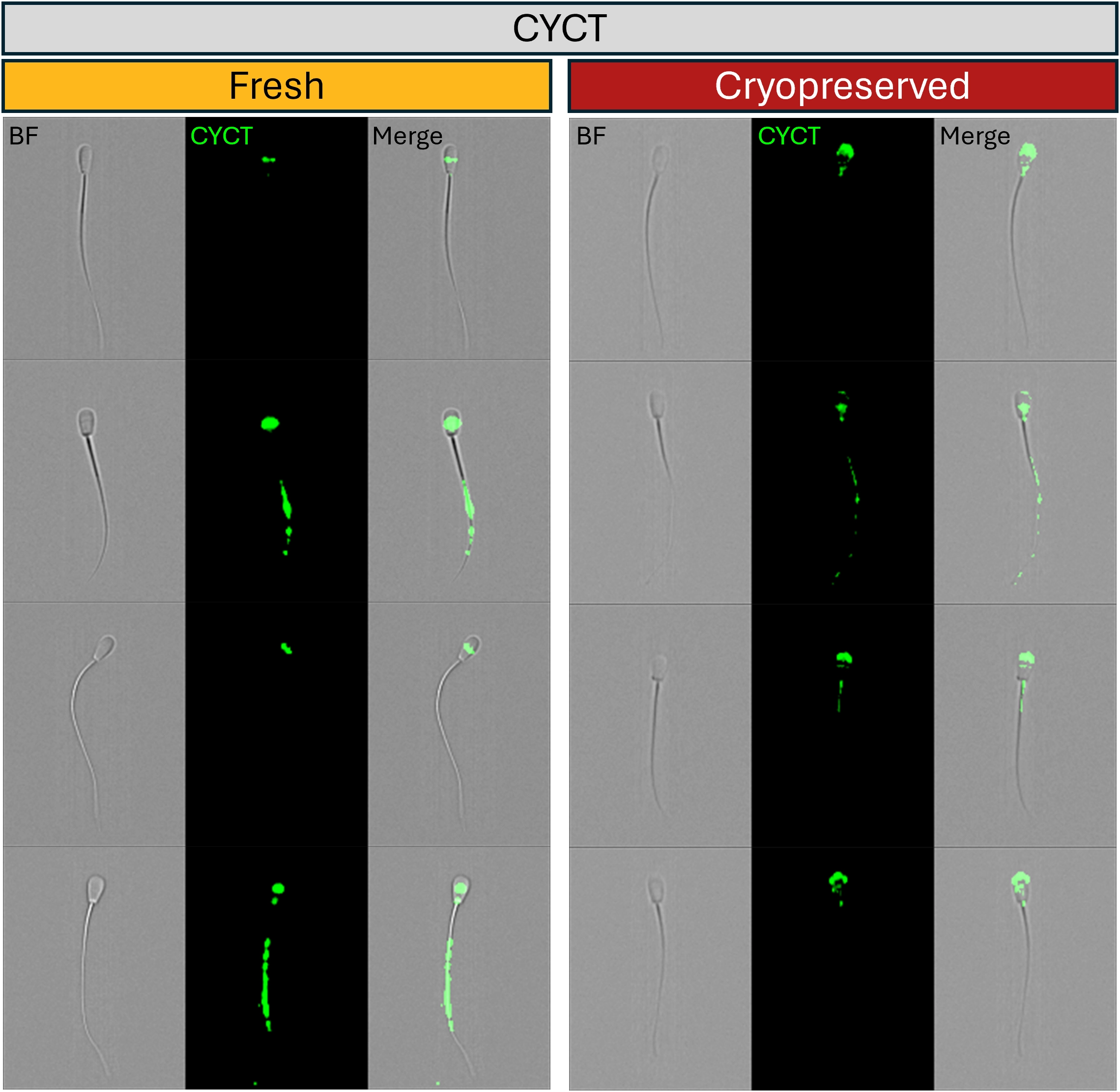
One branch of our preservation research asks what freezing changes inside sperm—not simply whether cells survive. Comparative proteomics reveals molecular differences between fresh and cryopreserved bovine sperm and points toward more informative measures of post-thaw function.

Comparative bovine cryopreservation study
Fresh and cryopreserved bovine sperm phenotypes from the comparative proteomics study
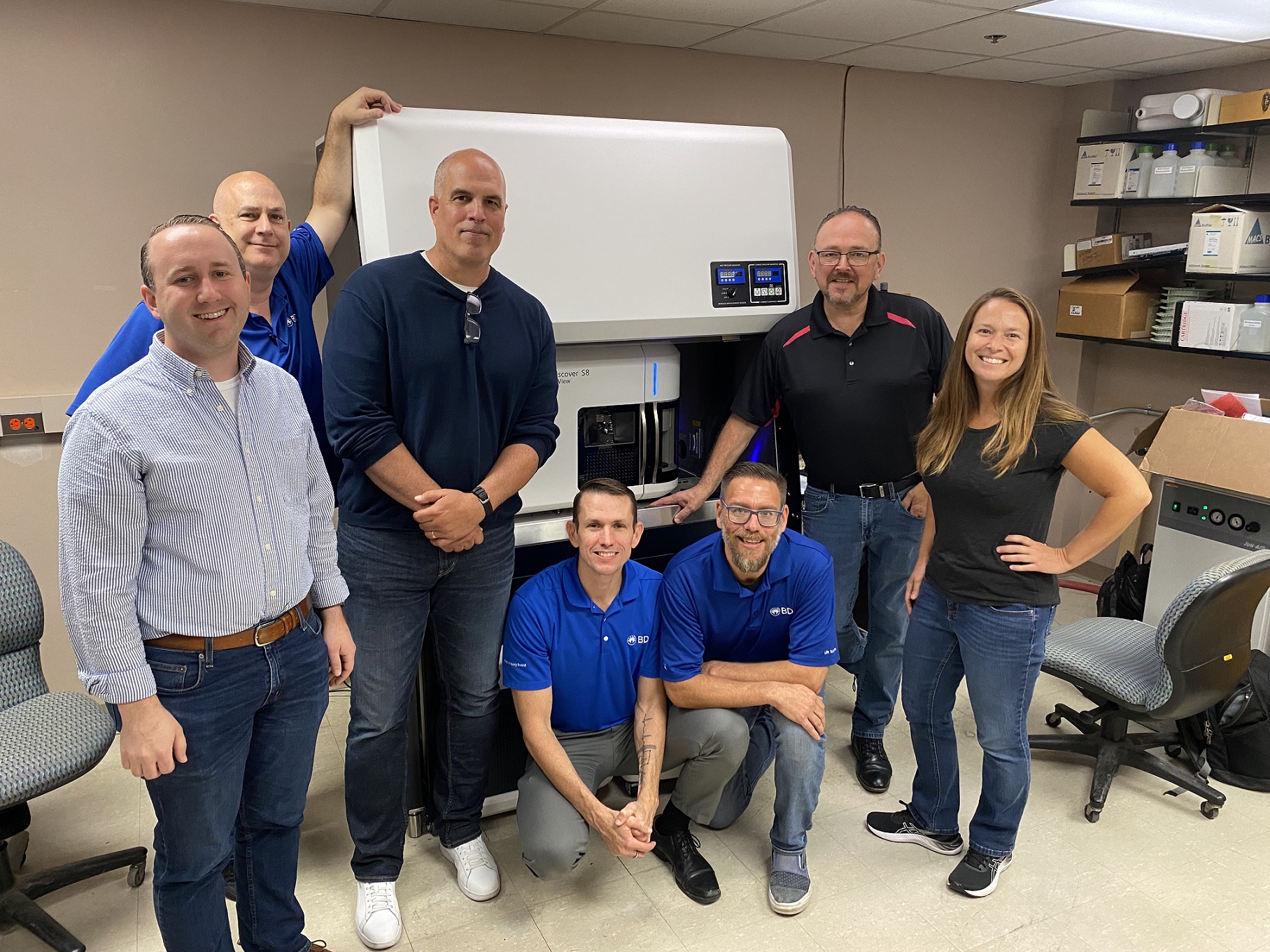
Iowa State researchers with the FACSDiscover S8 cell sorter

Iowa State research news

Technology that “opens new doors.”

Iowa State’s next-generation cell-sorting infrastructure supports research questions that were previously out of reach—from fertility biomarkers and embryos to plant cells, immune cells, and viruses.

Read the CALS feature ↗

Recognition

2026 Early Achievement in Research Award

Iowa State CALS recognized the program’s integration of single-cell phenomics, multi-omics, and artificial intelligence to redefine male-fertility diagnostics across species.

Read the award story →
Karl Kerns in a black laboratory coat